
Separation Anxiety in Children With ADHD: Signs and Support

Children with ADHD can experience separation anxiety, although having ADHD does not mean a child will develop it. When both occur, a child may find it especially hard to shift attention away from worries about a parent or caregiver, manage strong feelings, or settle into a new activity after a goodbye.
Separation anxiety involves persistent, excessive fear about being apart from an attachment figure, while ADHD primarily affects attention, activity level, and impulse control. A child may have difficulty with both, so it helps to look at what happens before, during, and after separations rather than assuming every struggle is caused by ADHD.
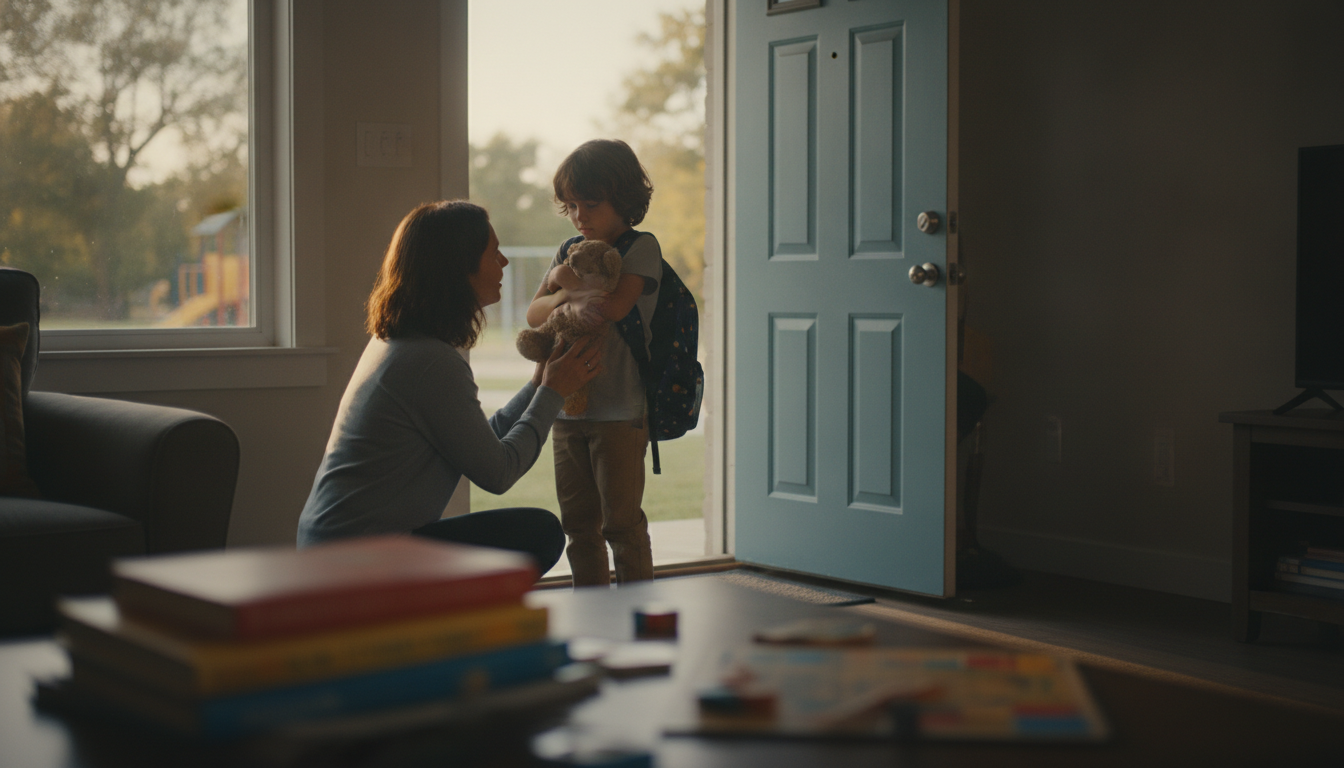
Your child may repeatedly ask where you are going, worry that something bad will happen to you, cling at drop-off, or complain of stomachaches or headaches before school. Some children resist sleeping alone, need frequent reassurance, or become upset when a caregiver leaves even for a familiar activity.
ADHD-related challenges with transitions or emotional regulation can make these moments feel more intense, but similar behavior can have different causes. For example, a child who struggles mainly when an activity ends may need transition support, while a child who fears harm to a caregiver may also need help with anxiety.
Check the product’s listed specifications when evaluating what you might notice.
Featured in this guide
Managing Separation Anxiety in Dogs | Practical Training eBook for Calmer, Confident Dogs | Separation Anxiety in Dogs Guide
We suggest creating a short, predictable goodbye routine: explain where you are going in age-appropriate terms, tell your child who will care for them, and say when you will return using a reference they understand, such as “after lunch.” Practice brief separations with a trusted caregiver and gradually build up as your child becomes more comfortable, praising their effort without promising that nothing upsetting will ever happen.
Keep routines and instructions simple, allow extra time for transitions, and share the plan with teachers or caregivers so the response stays consistent. A familiar comfort item may help if the setting permits it, and you can give your child a small job to start after goodbye, such as choosing a book or joining an activity.
Check the product’s listed specifications when evaluating ways to make separations easier.
Some separation worries are common in young children, but consider speaking with your child’s pediatrician or a qualified mental health professional if the distress is intense, persists, or interferes with school, sleep, friendships, or family life. They can help assess whether anxiety, ADHD-related difficulties, or another concern is contributing and recommend appropriate support.
Our team also offers Managing Separation Anxiety in Dogs, a practical training eBook for dog owners. It addresses separation anxiety in dogs, not children, so it should not replace guidance tailored to your child.
The Crate Training Your Pup – A Practical Ebook Guide to Dog Crate Training Basics for Happy, Calm Dogs | Instant Digital Download creates an enclosed dog travel space away from loose cargo in the car, pairing with the featured product during everyday use.
Some children with ADHD also experience separation anxiety, but the two are distinct conditions. If worries about being apart are persistent or disrupt daily life, a pediatrician or mental health professional can help you understand what your child needs.
A 3-year-old may show intense distress when a caregiver leaves, repeatedly fear something bad will happen, refuse familiar activities without that caregiver, or have trouble sleeping alone. Some separation distress is typical at this age, but seek professional advice if it is unusually intense, continues over time, or substantially disrupts daily life.





Leave a comment